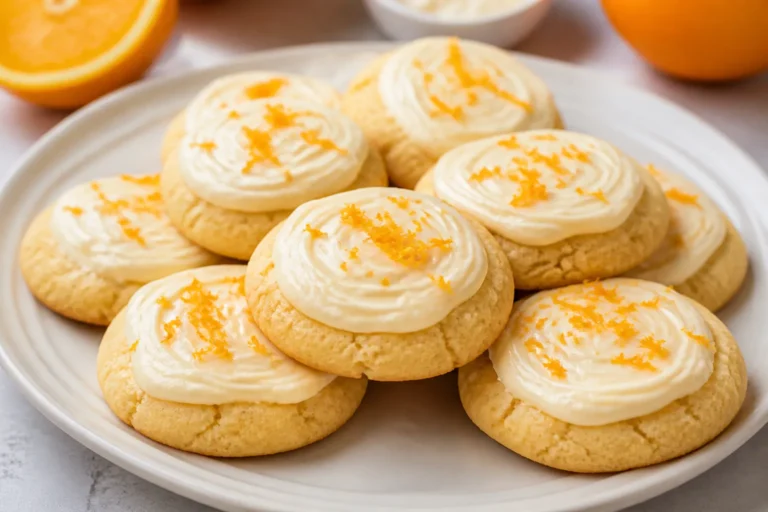
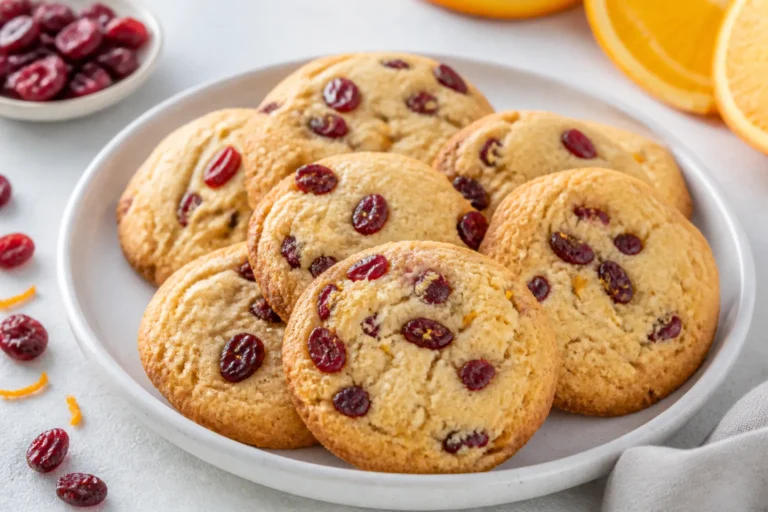
Orange Shortbread Cookies – Buttery, Bright, and Perfectly Crisp
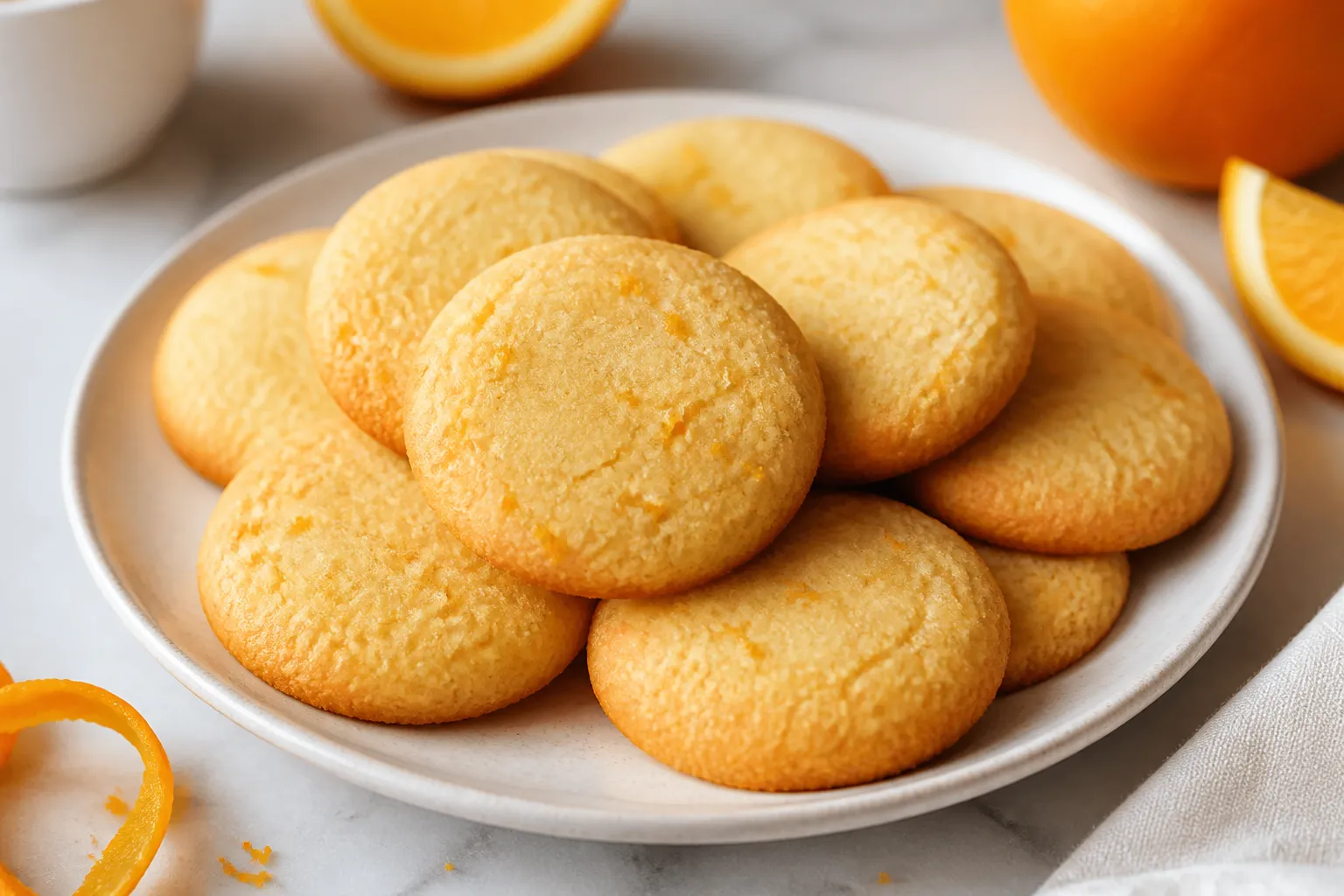
Orange shortbread cookies bring the best of two worlds: the melt-in-your-mouth tenderness of classic shortbread and the sunny lift of fresh orange. They’re simple to make, smell amazing, and feel special without a lot of fuss. If you love desserts that are not too sweet and full of real flavor, this one hits the mark.
5 Irresistible Desserts, Completely Free
Get five easy dessert recipes you’ll want to save, share, and make again and again—delivered straight to your inbox.
The dough comes together in minutes, and the cookies bake into delicate, crisp-edged rounds that pair beautifully with tea or coffee. They’re also great for gifting, because they hold up well and look elegant with a light sugar sparkle.
Ingredients
Method
- Prep your tools: Line two baking sheets with parchment. Have a zester ready and let the butter sit out until soft but not greasy.
- Zest the orange: Use a microplane to remove the bright orange layer only. Avoid the white pith, which is bitter. You’ll need about 2 packed teaspoons of zest.
- Cream the butter and sugars: In a mixing bowl, beat softened butter with granulated sugar and a couple tablespoons of powdered sugar until light and creamy, about 2 minutes. Don’t whip it too fluffy; you want a smooth, spreadable paste.
- Add flavor: Mix in orange zest, 1 teaspoon vanilla, and 1–2 teaspoons orange juice or a few drops of orange extract. The dough should smell citrusy but not wet.
- Add dry ingredients: Sift in flour and a pinch of kosher salt. Beat on low until the dough just comes together and no dry patches remain. It should feel soft and slightly crumbly, but hold when pressed.
- Shape the dough: Turn the dough onto a sheet of parchment. Form it into a log about 2 inches in diameter, or flatten into a 3/4-inch thick disk for cut-outs. For slice-and-bake, roll the log in turbinado sugar for a sparkly edge.
- Chill: Wrap well and chill for at least 1 hour, or up to 48 hours. Chilled dough slices cleanly and bakes without spreading.
- Preheat and slice: Heat the oven to 325°F (160°C). For logs, slice into 1/4-inch rounds and place on prepared sheets. For cut-outs, roll the disk to just under 1/4 inch and cut with a 2-inch cutter, gathering and re-rolling scraps as needed.
- Bake: Bake 12–16 minutes, rotating once. Look for matte tops and lightly golden edges. Don’t wait for full browning; shortbread should stay fairly pale.
- Cool and finish: Let cookies rest on the sheet for 5 minutes, then move to a rack. When cool, dip one side in melted dark chocolate or drizzle over the top for a lovely contrast.
What Makes This Recipe So Good
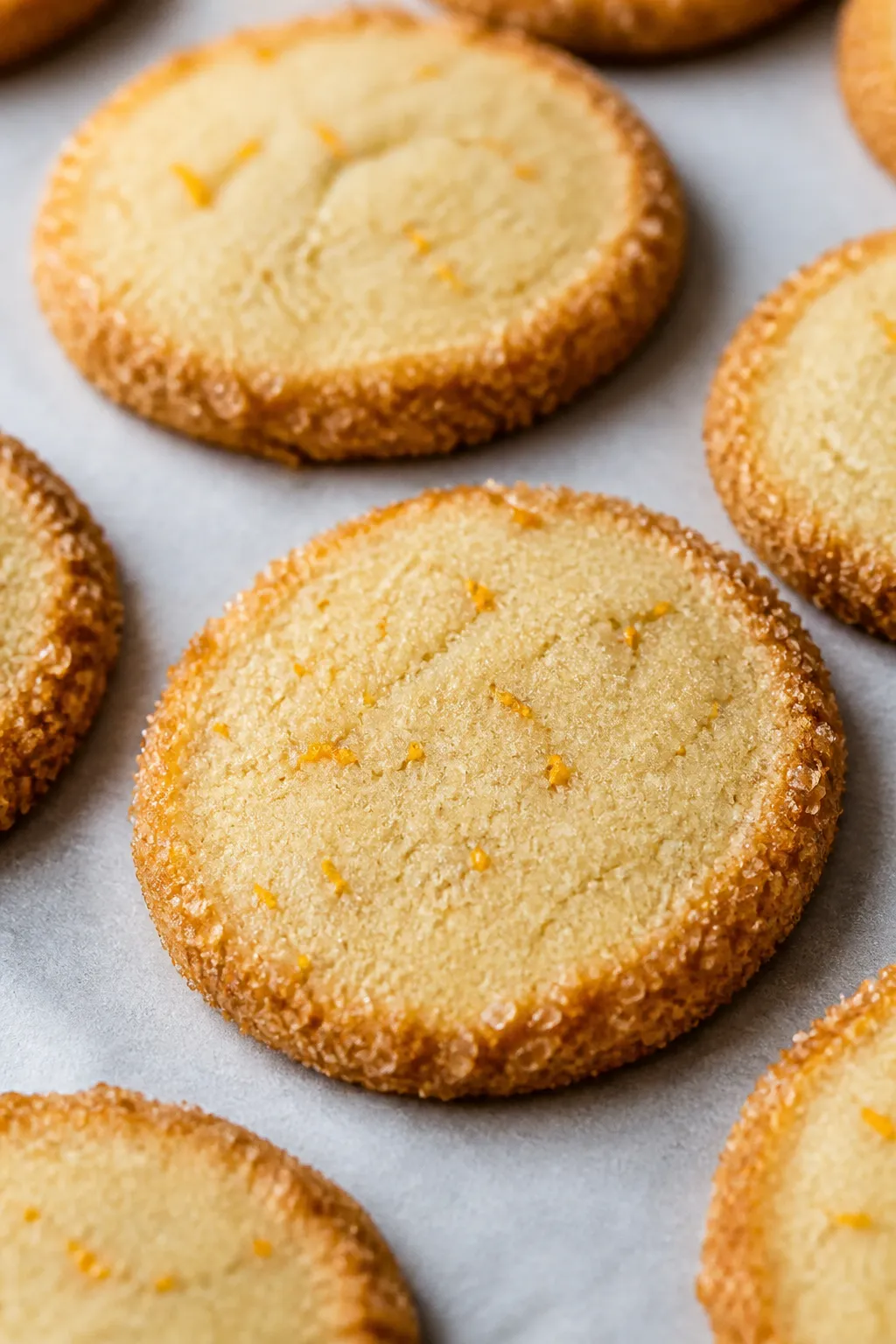
- Bright citrus flavor: Fresh orange zest and a splash of orange juice or extract make the butter sing without overpowering it.
- Classic shortbread texture: Tender, crumbly, and crisp at the edges—exactly what you want from shortbread.
- Simple ingredients: Pantry staples and one orange are all you need. No eggs, no leaveners, no drama.
- Easy to shape: Roll and slice, or cut with cookie cutters for a more festive look.
- Great make-ahead: The dough chills well and the baked cookies keep their flavor and texture for days.
Shopping List
- Unsalted butter (softened to room temperature)
- Granulated sugar
- Powdered sugar (for extra tenderness, optional but recommended)
- All-purpose flour
- Kosher salt
- Fresh orange (zest and juice)
- Pure vanilla extract
- Orange extract (optional, for a stronger orange note)
- Turbinado or sanding sugar (optional, for rolling the edges)
- Dark chocolate (optional, for dipping or drizzling)
How to Make It
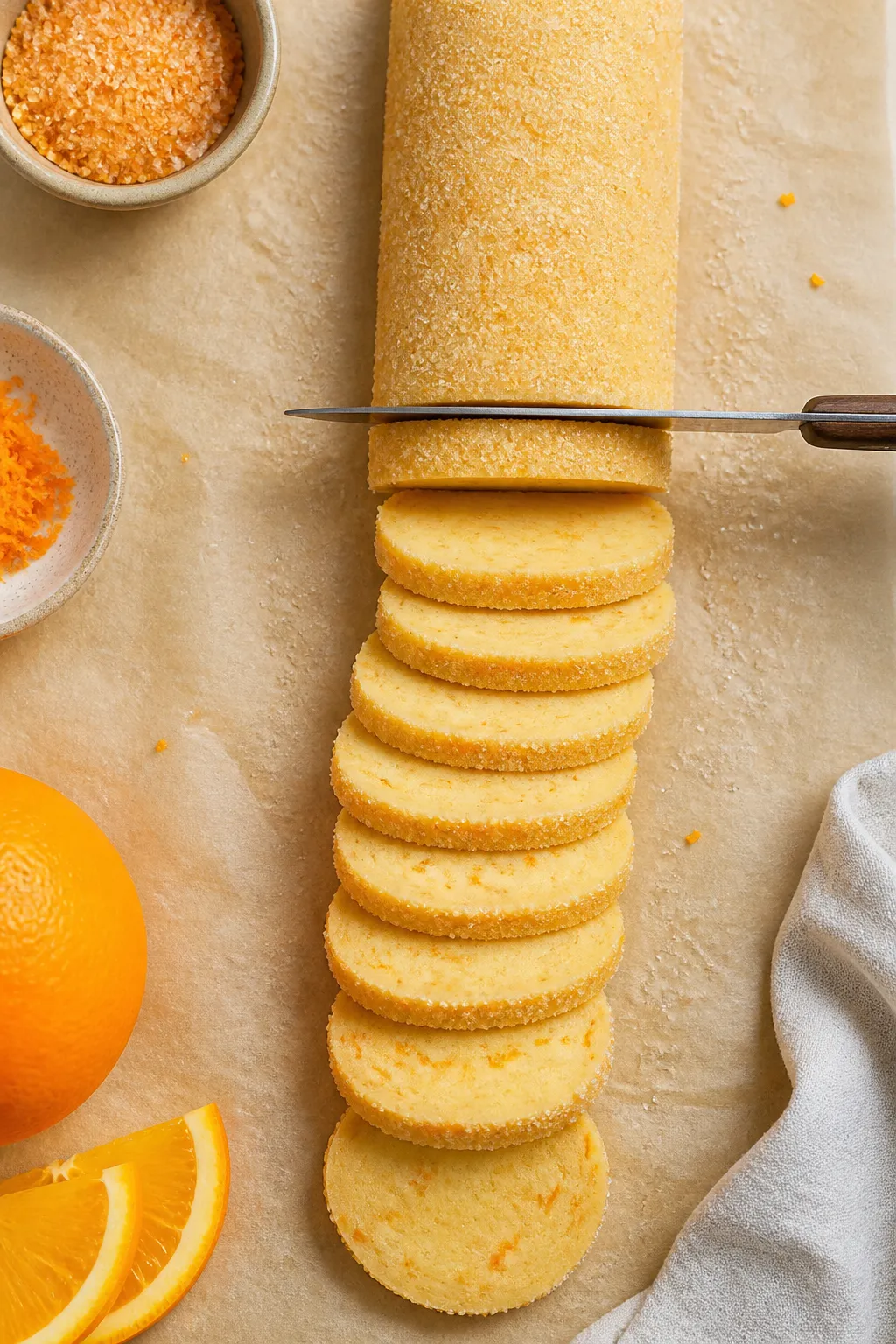
- Prep your tools: Line two baking sheets with parchment.
Have a zester ready and let the butter sit out until soft but not greasy.
- Zest the orange: Use a microplane to remove the bright orange layer only. Avoid the white pith, which is bitter. You’ll need about 2 packed teaspoons of zest.
- Cream the butter and sugars: In a mixing bowl, beat softened butter with granulated sugar and a couple tablespoons of powdered sugar until light and creamy, about 2 minutes.
Don’t whip it too fluffy; you want a smooth, spreadable paste.
- Add flavor: Mix in orange zest, 1 teaspoon vanilla, and 1–2 teaspoons orange juice or a few drops of orange extract. The dough should smell citrusy but not wet.
- Add dry ingredients: Sift in flour and a pinch of kosher salt. Beat on low until the dough just comes together and no dry patches remain.
It should feel soft and slightly crumbly, but hold when pressed.
- Shape the dough: Turn the dough onto a sheet of parchment. Form it into a log about 2 inches in diameter, or flatten into a 3/4-inch thick disk for cut-outs. For slice-and-bake, roll the log in turbinado sugar for a sparkly edge.
- Chill: Wrap well and chill for at least 1 hour, or up to 48 hours.
Chilled dough slices cleanly and bakes without spreading.
- Preheat and slice: Heat the oven to 325°F (160°C). For logs, slice into 1/4-inch rounds and place on prepared sheets. For cut-outs, roll the disk to just under 1/4 inch and cut with a 2-inch cutter, gathering and re-rolling scraps as needed.
- Bake: Bake 12–16 minutes, rotating once.
Look for matte tops and lightly golden edges. Don’t wait for full browning; shortbread should stay fairly pale.
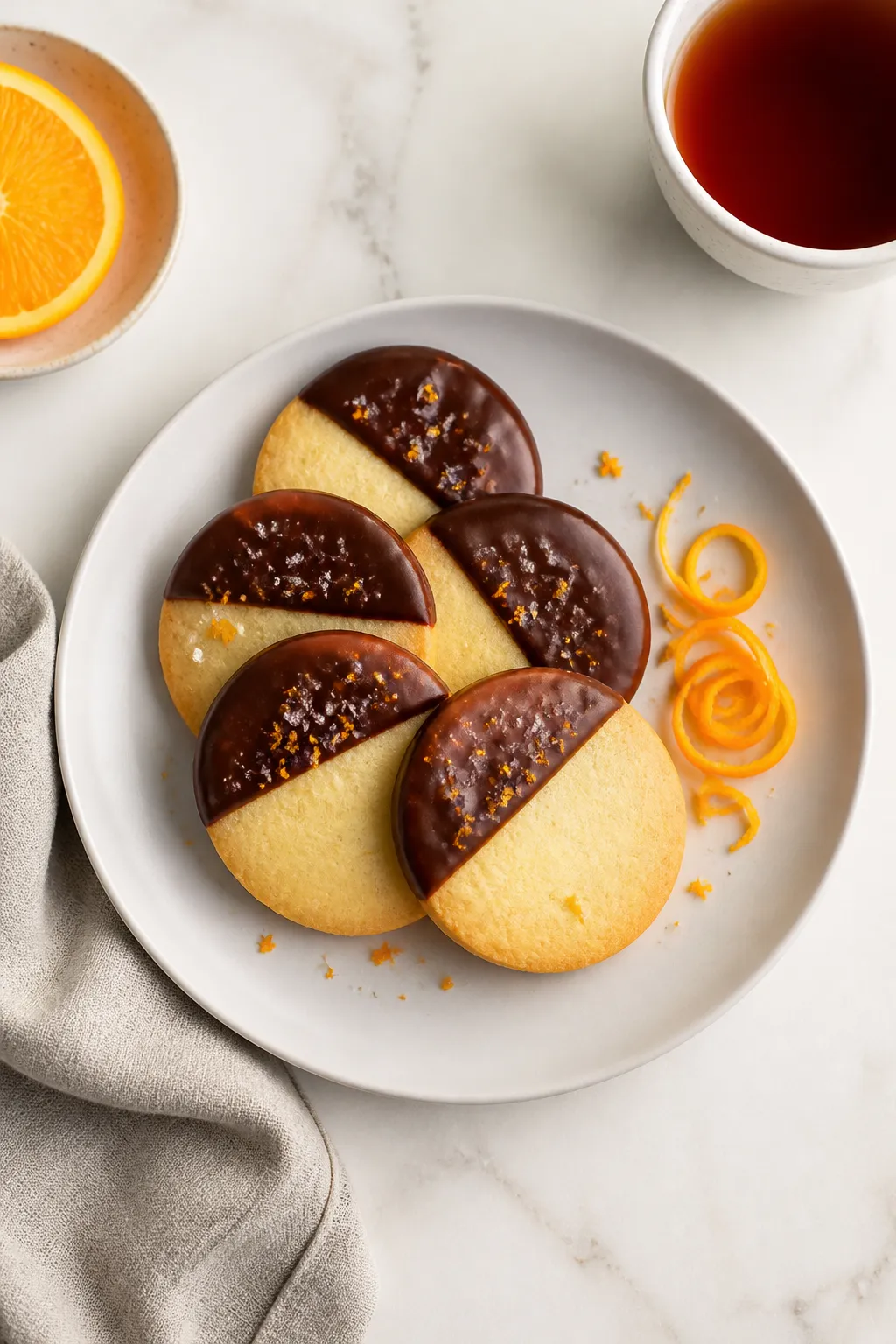
- Cool and finish: Let cookies rest on the sheet for 5 minutes, then move to a rack. When cool, dip one side in melted dark chocolate or drizzle over the top for a lovely contrast.
Keeping It Fresh
- Room temperature: Store baked cookies in an airtight tin for 5–7 days.
Layer with parchment to protect delicate edges.
- Freezing dough: Keep the shaped log double-wrapped for up to 2 months. Slice from frozen, adding 1–2 minutes to bake time.
- Freezing baked cookies: Freeze cooled cookies in a rigid container for up to 2 months. Thaw uncovered at room temp to keep them crisp.
- Moisture control: Add a small piece of parchment or a food-safe desiccant pack to your tin if your climate is humid.
Why This is Good for You
- Short ingredient list: You know exactly what’s in your treat—no artificial flavors or stabilizers if you don’t use them.
- Portion-friendly: The small size makes it easier to enjoy a cookie or two without overdoing it.
- Citrus perks: Orange zest brings natural aroma and brightness, which can make a smaller amount of sugar feel more satisfying.
- Mood lift: Baking with citrus and butter fills your kitchen with a cozy, uplifting scent.
It’s a simple pleasure that feels restorative.
Pitfalls to Watch Out For
- Overmixing: Once the flour goes in, mix just until combined. Overworking the dough makes tough cookies.
- Warm dough: If dough is soft, it will spread. Chill until firm before slicing or cutting shapes.
- Too much juice: Orange flavor should come mostly from zest.
Excess liquid can make the dough sticky and change the texture.
- Overbaking: Pale is perfect. If they’re fully golden, they’ll taste dry instead of tender.
- Thick slices: Keep slices even and not too thick, or the centers won’t set properly.
Alternatives
- Lemon or lime: Swap in zest from other citrus. Lemon gives a sharper tang; lime adds a tropical twist.
- Almond accent: Replace vanilla with almond extract and add a handful of finely chopped toasted almonds.
- Herb note: Rub 1 teaspoon of finely chopped fresh rosemary or thyme with the sugar before creaming for a savory-sweet touch.
- Spiced edge: Add a pinch of cardamom or cinnamon to the flour for warmth that complements orange.
- Gluten-free: Use a 1:1 gluten-free flour blend with a bit of cornstarch mixed in.
Chill thoroughly for clean cuts.
- Chocolate lovers: Fold in mini chocolate chips or dip half the cookie in dark chocolate and sprinkle with flaky salt.
FAQ
Can I use bottled orange juice instead of fresh?
Your Next Favorite Dessert Is Inside
SEND ME THE FREE DESSERTS
Fresh zest is the key to real orange flavor. A small splash of bottled juice is fine, but don’t rely on it for the main flavor. If you can’t zest fresh fruit, add a drop or two of orange extract.
Do I need a mixer?
No.
A sturdy spatula or wooden spoon works, especially if the butter is soft. A hand or stand mixer makes creaming faster, but it’s not essential.
Why did my cookies spread too much?
Your dough was likely too warm, or you added too much liquid. Chill the dough until firm and measure juice carefully.
Also check oven temperature—too hot can cause quick spreading.
How thick should I slice the dough?
Aim for 1/4 inch. Thinner slices can brown too quickly, while thicker slices may stay underbaked in the center.
Can I make them ahead for gifting?
Yes. Bake, cool fully, and store airtight.
They’re at their best within a week, and they ship well if packed snugly with parchment between layers.
Is salted butter okay?
Yes, but reduce added salt to a tiny pinch or omit it. Flavor varies by brand, so taste the dough if you’re unsure.
How do I get a stronger orange flavor?
Use extra zest and a few drops of orange extract. Avoid adding more juice, which can change the dough texture.
Can I use brown sugar?
It will change the texture and flavor, making the cookies softer and more caramel-like.
For classic shortbread snap, stick to white sugar and a touch of powdered sugar.
Wrapping Up
Orange shortbread cookies are the kind of recipe you make once and keep in your back pocket forever. They’re simple, fragrant, and incredibly satisfying with their buttery bite and citrus lift. Whether you slice and bake or dress them up with chocolate, they look and taste like something special.
Keep a batch of dough in the fridge, and you’ll always be just a few minutes away from a tray of warm, bright, home-baked cookies.
Printable Recipe Card
Want just the essential recipe details without scrolling through the article? Get our printable recipe card with just the ingredients and instructions.
Save Room for Something Sweet
Before you go, grab five irresistible dessert recipes that are simple to follow, satisfying to make and perfect for sharing.