Orange Bundt Cake – Bright, Moist, and Easy
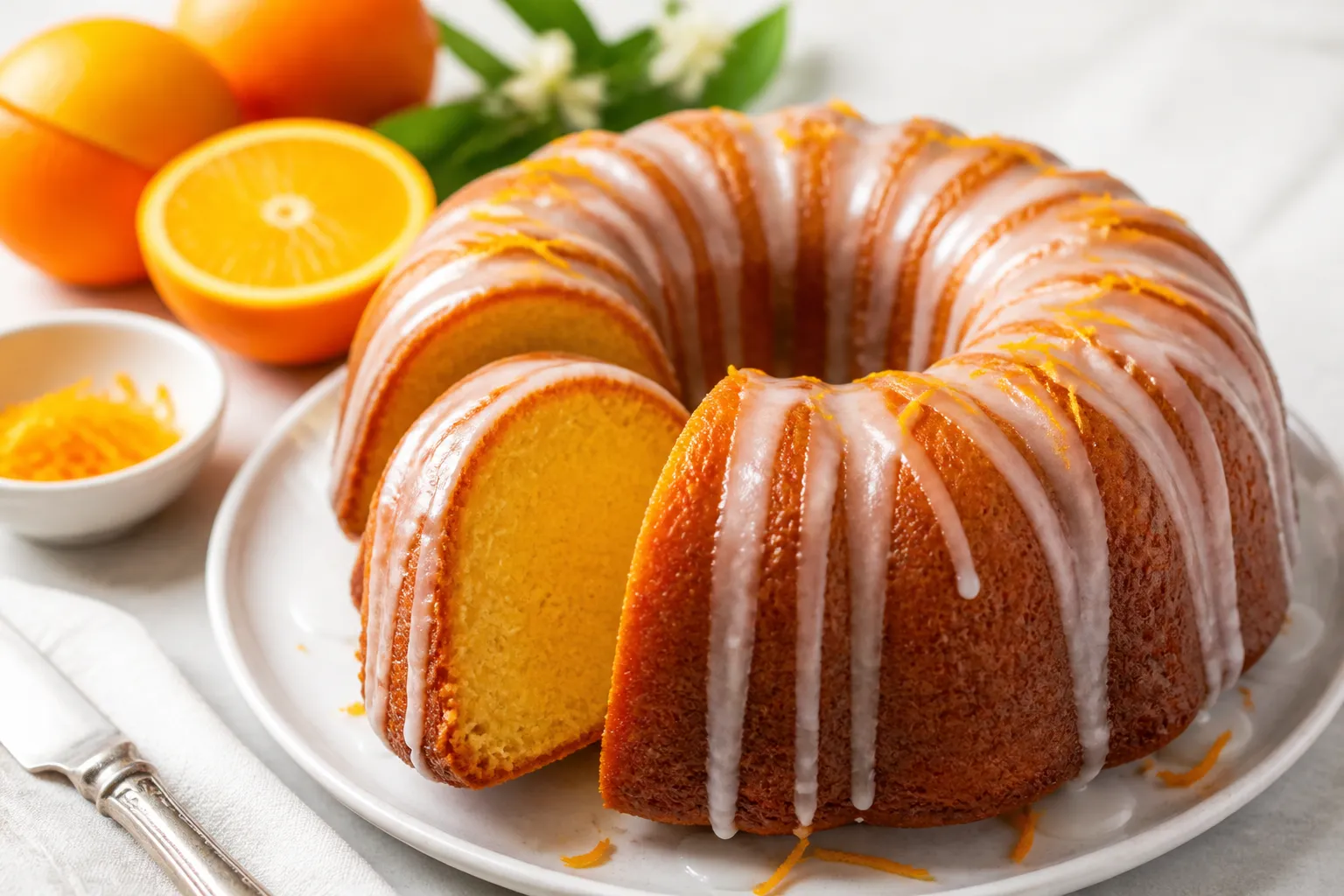
This Orange Bundt Cake brings sunshine to your table with real orange zest, a tender crumb, and a glossy citrus glaze. It’s simple enough for a weekday treat and pretty enough for a celebration. The batter comes together in one bowl with pantry basics, and the aroma while it bakes is reason enough to make it.
5 Irresistible Desserts, Completely Free
Get five easy dessert recipes you’ll want to save, share, and make again and again—delivered straight to your inbox.
Serve it plain, glazed, or with a spoonful of whipped cream. However you slice it, this cake tastes like pure brightness.
Ingredients
Method
- Prep the oven and pan. Heat the oven to 350°F (175°C). Generously butter every nook of a 10–12 cup Bundt pan, then dust with flour and tap out the excess. A thorough coat helps the cake release cleanly.
- Whisk dry ingredients. In a large bowl, whisk flour, baking powder, baking soda, and salt. This evenly distributes leavening for a consistent rise.
- Combine sugar, zest, and eggs. In another bowl, rub the orange zest into the sugar with your fingertips until fragrant and slightly damp. Add eggs and whisk until thickened and pale, about 1 minute.
- Add fats and flavor. Whisk in melted butter, oil, vanilla, and orange juice until smooth. The blend of butter and oil gives both flavor and long-lasting moisture.
- Mix in dairy. Whisk in milk and yogurt until evenly combined. The batter should look silky and pourable.
- Bring it together. Add the wet mixture to the dry ingredients. Gently fold with a spatula just until no dry streaks remain. Avoid overmixing to keep the crumb tender.
- Fill the pan. Pour the batter into the prepared Bundt pan and smooth the top. Tap the pan on the counter a couple of times to pop large air bubbles.
- Bake. Bake 45–55 minutes, until the top is golden and a skewer comes out mostly clean with a few moist crumbs. Start checking at 45 minutes.
- Cool and release. Let the cake cool in the pan on a rack for 12–15 minutes. Run a thin, flexible spatula around the edges and center tube. Invert onto a wire rack and lift the pan. Cool completely.
- Glaze. In a bowl, whisk powdered sugar, orange juice, zest (if using), and a pinch of salt until thick yet pourable. Drizzle over the fully cooled cake, letting it drip down the ridges.
- Set and serve. Allow the glaze to set for 15–20 minutes. Slice with a serrated knife for neat cuts. Serve as is or with lightly sweetened whipped cream.
What Makes This Special
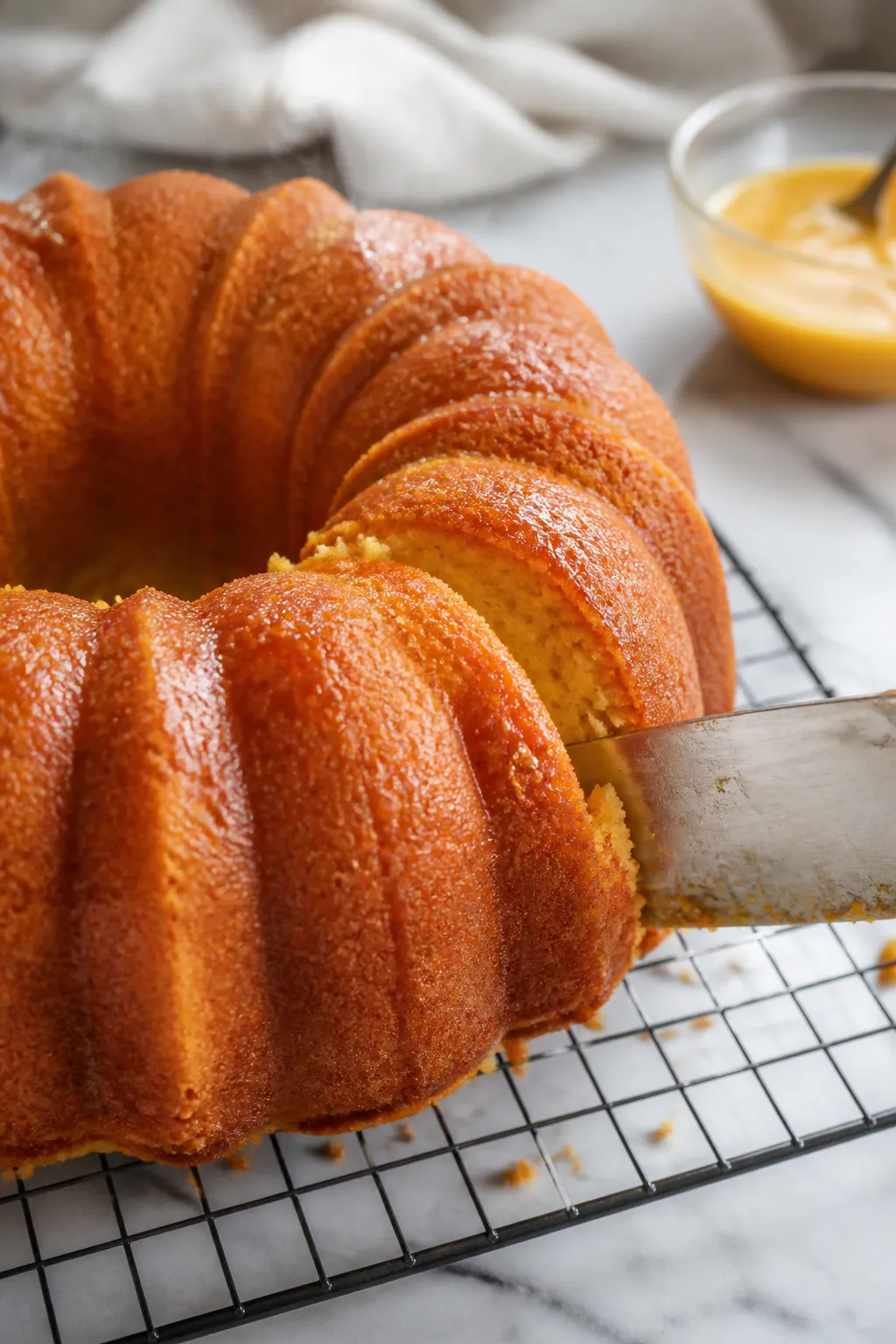
This cake uses both fresh orange zest and juice for a true citrus punch—no artificial flavor needed. A touch of Greek yogurt (or sour cream) keeps it extra moist without being heavy.
The glaze is quick, glossy, and brings that sweet-tart finish people love. Best of all, it’s a Bundt cake: no layering, no fuss, yet it unmolds beautifully every time with the right prep. It’s the kind of recipe you’ll save and make on repeat.
Ingredients
- For the cake:
- 2 1/2 cups (300 g) all-purpose flour
- 2 teaspoons baking powder
- 1/2 teaspoon baking soda
- 1/2 teaspoon fine salt
- 1 3/4 cups (350 g) granulated sugar
- 3 large eggs, room temperature
- 3/4 cup (170 g) unsalted butter, melted and slightly cooled
- 1/2 cup (120 ml) neutral oil (canola or vegetable)
- 3/4 cup (180 ml) whole milk, room temperature
- 1/2 cup (120 g) plain Greek yogurt or sour cream, room temperature
- 2 tablespoons finely grated orange zest (from about 2 large oranges)
- 1/2 cup (120 ml) fresh orange juice
- 1 teaspoon pure vanilla extract
- For the glaze:
- 1 1/2 cups (180 g) powdered sugar, sifted
- 2–3 tablespoons fresh orange juice
- 1 teaspoon orange zest (optional, for extra zing)
- Pinch of salt
- For the pan:
- Softened butter or baking spray with flour
- 1 tablespoon flour (if buttering the pan)
Step-by-Step Instructions
- Prep the oven and pan. Heat the oven to 350°F (175°C).
Generously butter every nook of a 10–12 cup Bundt pan, then dust with flour and tap out the excess. A thorough coat helps the cake release cleanly.
- Whisk dry ingredients. In a large bowl, whisk flour, baking powder, baking soda, and salt. This evenly distributes leavening for a consistent rise.
- Combine sugar, zest, and eggs. In another bowl, rub the orange zest into the sugar with your fingertips until fragrant and slightly damp.
Add eggs and whisk until thickened and pale, about 1 minute.
- Add fats and flavor. Whisk in melted butter, oil, vanilla, and orange juice until smooth. The blend of butter and oil gives both flavor and long-lasting moisture.
- Mix in dairy. Whisk in milk and yogurt until evenly combined. The batter should look silky and pourable.
- Bring it together. Add the wet mixture to the dry ingredients.
Gently fold with a spatula just until no dry streaks remain. Avoid overmixing to keep the crumb tender.
- Fill the pan. Pour the batter into the prepared Bundt pan and smooth the top. Tap the pan on the counter a couple of times to pop large air bubbles.
- Bake. Bake 45–55 minutes, until the top is golden and a skewer comes out mostly clean with a few moist crumbs.
Start checking at 45 minutes.
- Cool and release. Let the cake cool in the pan on a rack for 12–15 minutes. Run a thin, flexible spatula around the edges and center tube. Invert onto a wire rack and lift the pan.
Cool completely.
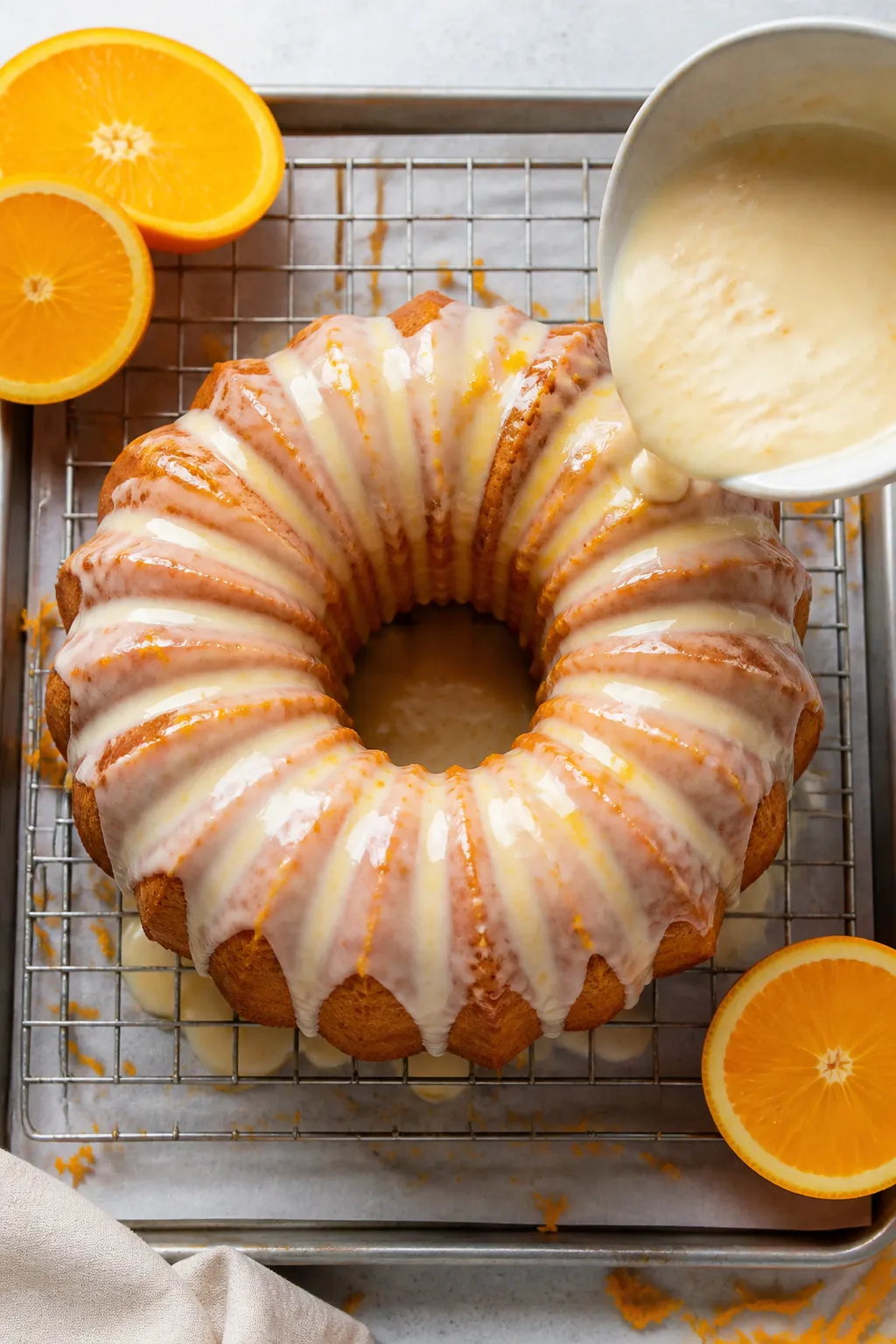
- Glaze. In a bowl, whisk powdered sugar, orange juice, zest (if using), and a pinch of salt until thick yet pourable. Drizzle over the fully cooled cake, letting it drip down the ridges.
- Set and serve. Allow the glaze to set for 15–20 minutes. Slice with a serrated knife for neat cuts.
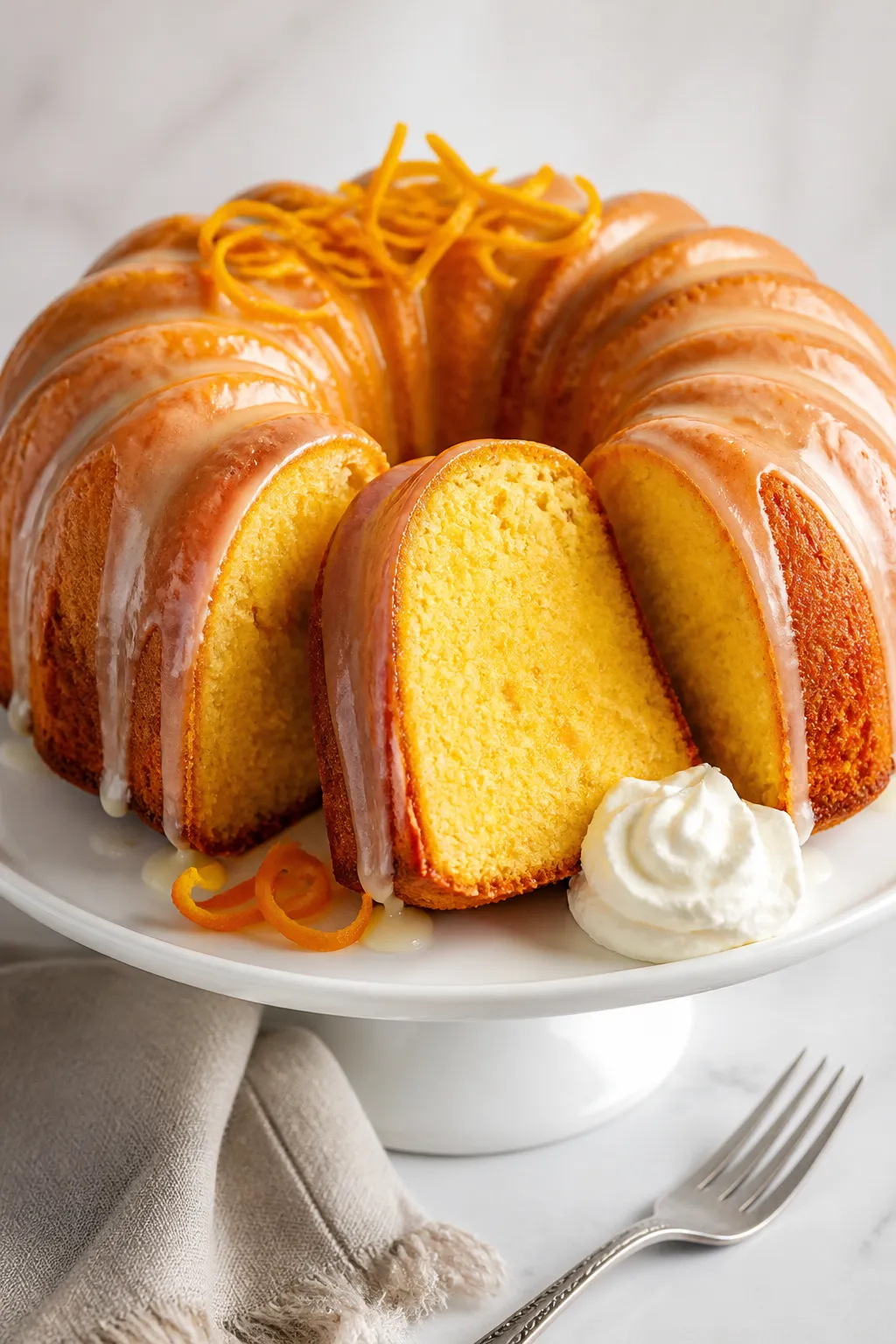
Serve as is or with lightly sweetened whipped cream.
Keeping It Fresh
Store the cake covered at room temperature for up to 3 days. If your kitchen is warm, keep it in an airtight container in the fridge for up to 5 days, and bring slices to room temp before serving. To freeze, wrap unglazed slices tightly in plastic, then in foil, and freeze for up to 2 months.
Thaw overnight in the fridge and glaze just before serving for the best texture.
Benefits of This Recipe
- Bright, real citrus flavor: Fresh zest and juice make all the difference.
- Reliable texture: A mix of butter, oil, and yogurt keeps it moist without being dense.
- Make-ahead friendly: Stays tender for days, which is great for gatherings.
- Beginner-friendly steps: Simple mixing method—no special equipment needed.
- Show-stopping look: The Bundt shape and glaze do the decorating for you.
Common Mistakes to Avoid
- Skipping pan prep: Every groove needs butter or baking spray. This is key to a clean release.
- Overmixing the batter: Stop folding once the flour disappears to prevent a tough crumb.
- Glazing a warm cake: Warm cake melts the glaze. Cool it completely first.
- Using bottled juice only: You’ll miss that aromatic pop.
Zest is essential.
- Overbaking: Check early and often; a few moist crumbs on the tester are perfect.
Recipe Variations
- Orange Almond: Replace 1/2 cup flour with almond flour and add 1/2 teaspoon almond extract. Top with toasted sliced almonds before the glaze sets.
- Orange Poppy Seed: Stir 2 tablespoons poppy seeds into the batter for light crunch and a bakery-style look.
- Chocolate-Drizzled: Skip the citrus glaze and drizzle with melted dark chocolate. Add a sprinkle of flaky salt.
- Cranberry Orange: Fold in 1 cup fresh or frozen cranberries (no thawing needed).
Toss them in a spoonful of flour first to help suspend them.
- Olive Oil Twist: Swap the neutral oil with good extra-virgin olive oil for a fragrant, slightly peppery edge.
- Gluten-Free: Use a 1:1 gluten-free all-purpose blend with xanthan gum. Let the batter rest 10 minutes before baking.
- Dairy-Free: Use dairy-free yogurt and plant milk; swap butter for a neutral oil or dairy-free butter.
Your Next Favorite Dessert Is Inside
SEND ME THE FREE DESSERTS
FAQ
Can I use bottled orange juice?
You can, but the flavor won’t be as vibrant. For the best result, use fresh juice and always include the zest.
The oils in the zest deliver that signature citrus aroma.
What size Bundt pan should I use?
A 10–12 cup Bundt pan works best. If your pan is smaller, fill it two-thirds full and bake extra batter as cupcakes, checking them at 18–20 minutes.
How do I prevent the cake from sticking?
Coat the pan thoroughly with butter or baking spray that contains flour, covering every ridge. Let the cake cool 12–15 minutes before inverting, then run a thin spatula around the edges and center tube.
Can I reduce the sugar?
Yes, you can reduce the granulated sugar by about 1/4 cup without a major texture change.
More than that may affect moisture and rise. Keep the glaze balanced to your taste.
How do I know when it’s done?
The top will be golden and spring back lightly. A skewer should come out with a few moist crumbs, not wet batter.
If the edges are pulling away and the center still seems very jiggly, give it a few more minutes.
Can I make this ahead?
Absolutely. Bake the cake a day in advance, cool, and wrap well. Glaze before serving for the freshest look and texture.
What if I don’t have Greek yogurt?
Use sour cream or plain regular yogurt.
If using regular yogurt, choose whole milk yogurt and drain excess liquid if it’s very thin.
Can I add a filling or swirl?
Yes. Spoon in half the batter, sprinkle a cinnamon-sugar mix or a thin ribbon of orange marmalade, then top with the remaining batter. Avoid heavy add-ins that might sink.
Wrapping Up
This Orange Bundt Cake is bright, moist, and wonderfully simple.
With everyday ingredients and a quick citrus glaze, it delivers big flavor with minimal effort. Keep it classic, or try a variation that suits your style. Either way, you’ll end up with a beautiful cake that feels special without being fussy.
Keep the oranges on hand—you’ll want to make it again soon.
Printable Recipe Card
Want just the essential recipe details without scrolling through the article? Get our printable recipe card with just the ingredients and instructions.
Save Room for Something Sweet
Before you go, grab five irresistible dessert recipes that are simple to follow, satisfying to make and perfect for sharing.